Our Projects
- Home
- Projects
Dolo Amavota mesa?
Status: Active
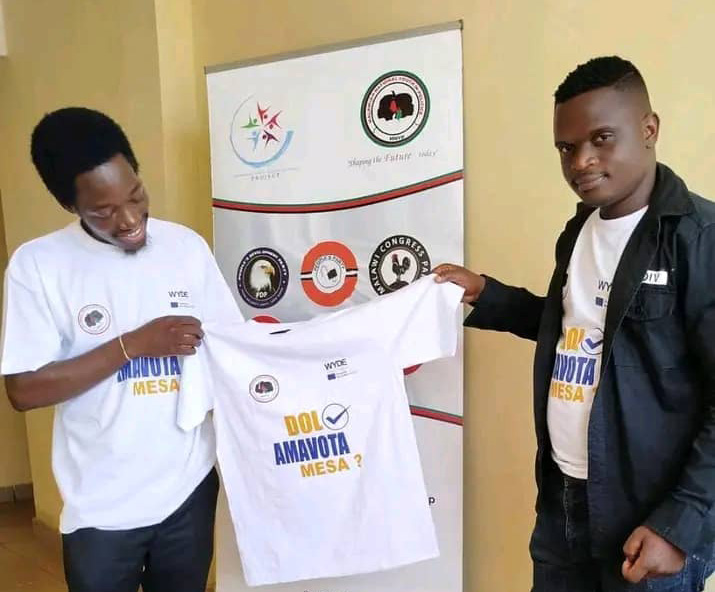
We are excited to launch our digital campaign, “Dolo Amavota mesa?,” which translate to “a wise peson votes.” Our goal is to encourage young people to register and vote for their fellow youth.
With over 2.2 million registered voters for 2025 tripatite election in Malawi and 1 million are already online, we recognize the internet’s immense power in mobilizing young people. Through this campaign, we aim to harness that power and inspire a new generaton of leaders.
Join us in spreading the word and empowering young people to make their voices heard!
Political Learning Hub (Google Site)
Status: Active
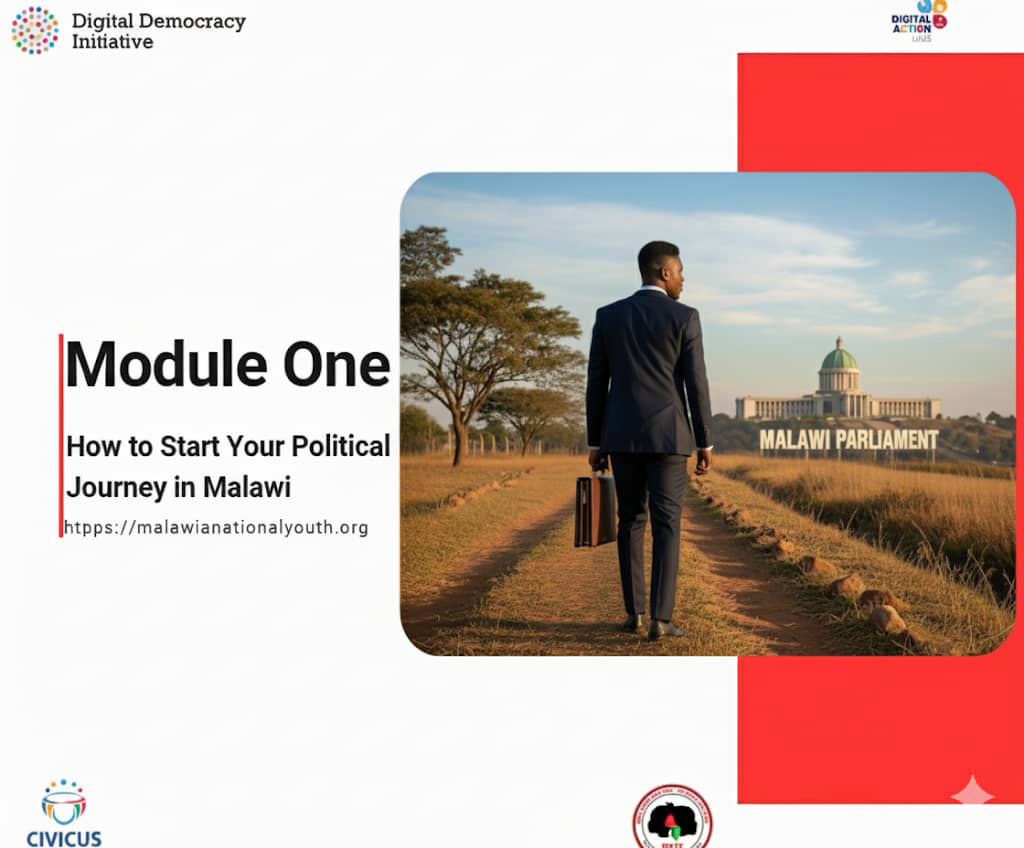
The Political Learning Hub is an interactive Google Site where young people can explore self-paced modules on politics, governance, and leadership. It features quizzes to test knowledge and inspiring impact stories from youth who are engaged in politics across Malawi.
Visit the Learning Hub https://sites.google.com/view/mnyp/home
Empowering Mzuzu Youth in Political Leadership
Status: (June 2024 – November 2024)
Description:
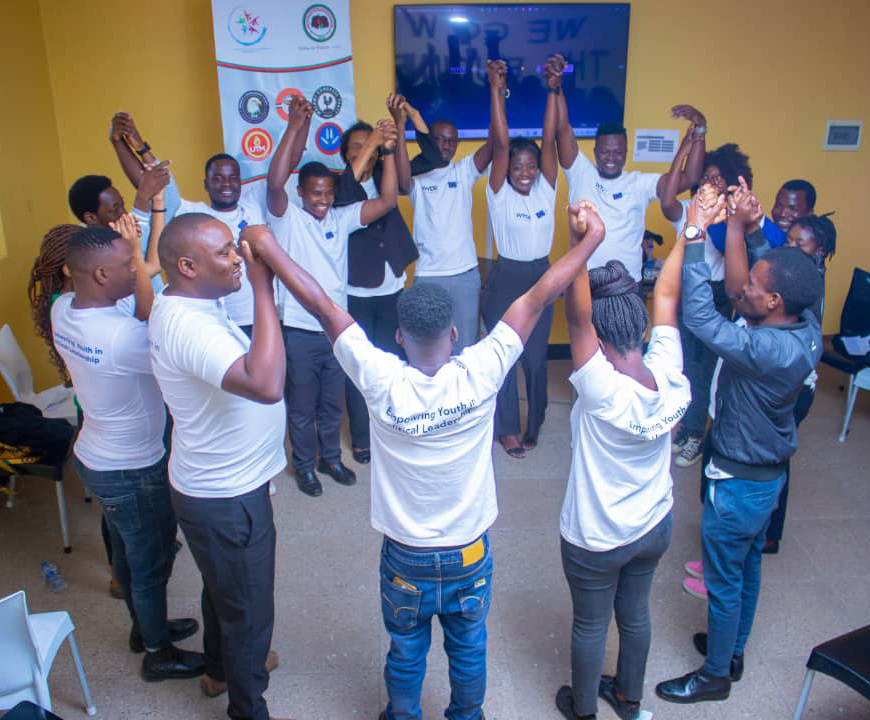
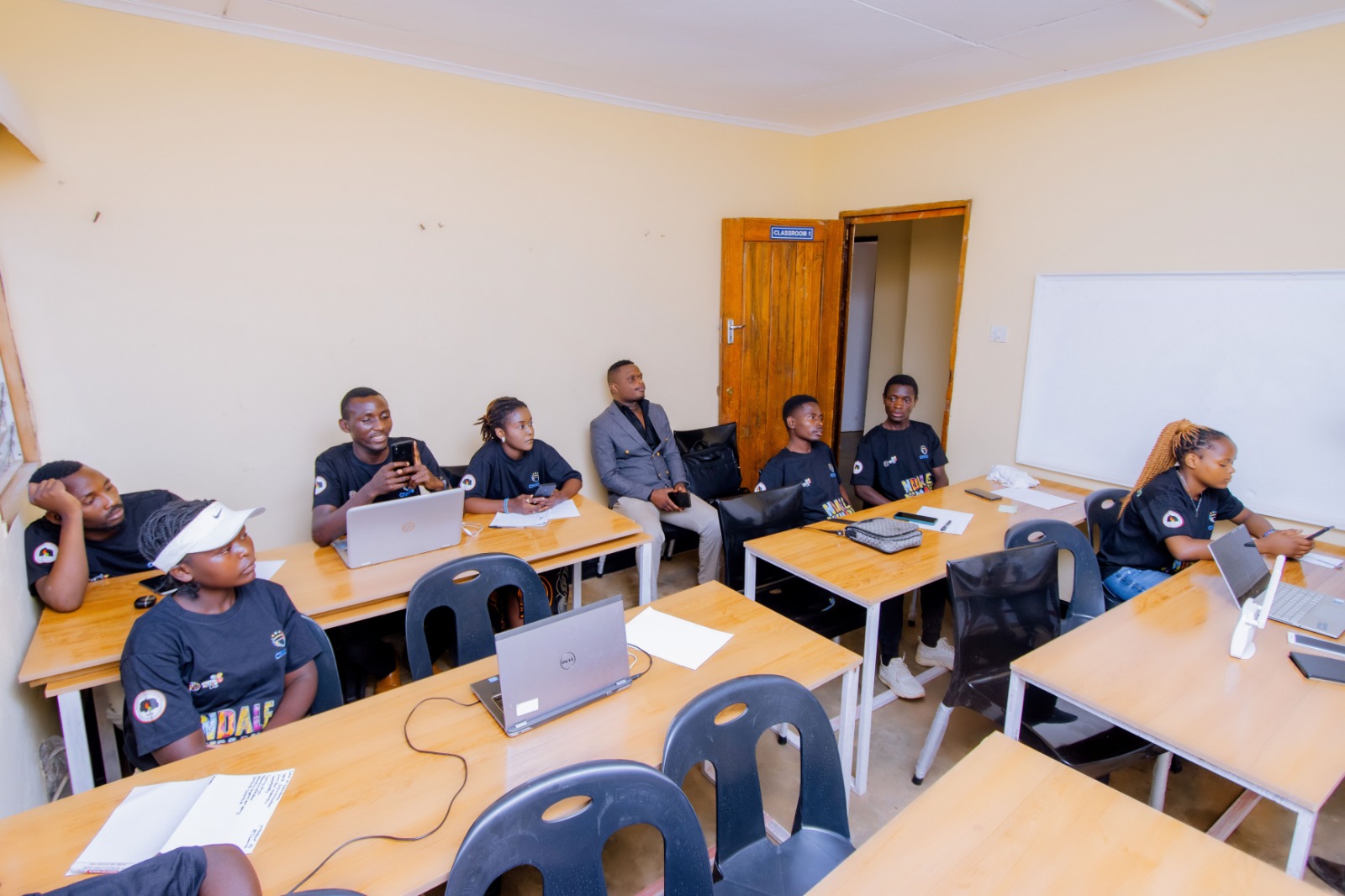
The Empowering Mzuzu Youth in Political Leadership Project is an initiative of the Malawian National Youth in Politics. It aims to strengthen youth participation in Malawi’s democratic processes by equipping aspiring young leaders in Mzuzu City with essential skills in political leadership, including campaign strategy, policy development, media engagement, and democratic governance.
Through workshops, mentorship, and interaction with experienced political leaders and electoral officials, 25 young women and men will be supported toward contesting the 2025 general elections.
Partners / Funders:
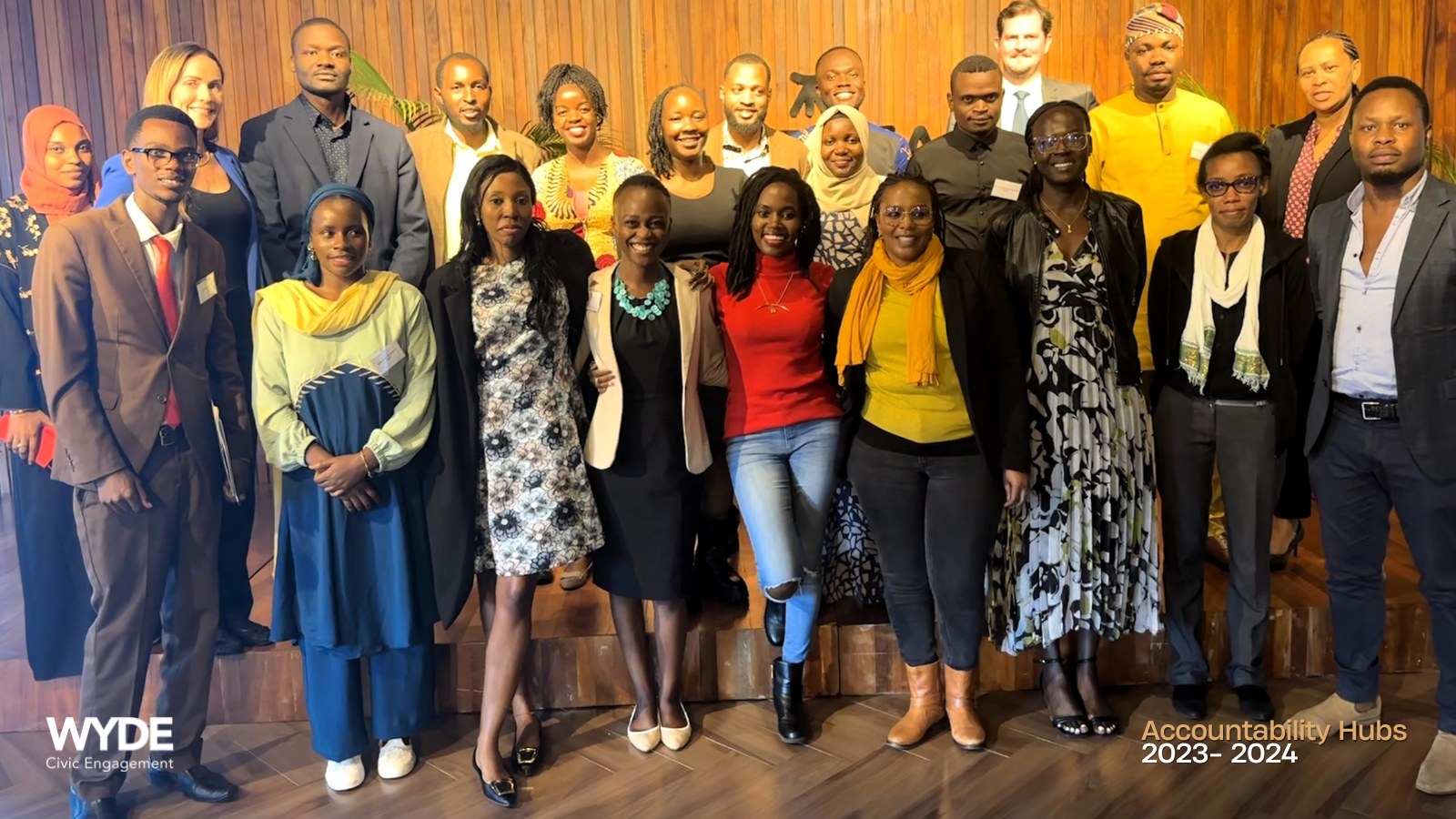
Kofu Annan Foundation, Women and Youth in Democracy, European Partnership for Democracy, The Oslo Centre and Youth Democracy Cohort
Impact So Far:
- 25 youth leaders trained
- Over 1,000 community members reached via virtual sessions and outreach
- Increased awareness and readiness among youth hopefuls for 2025 elections
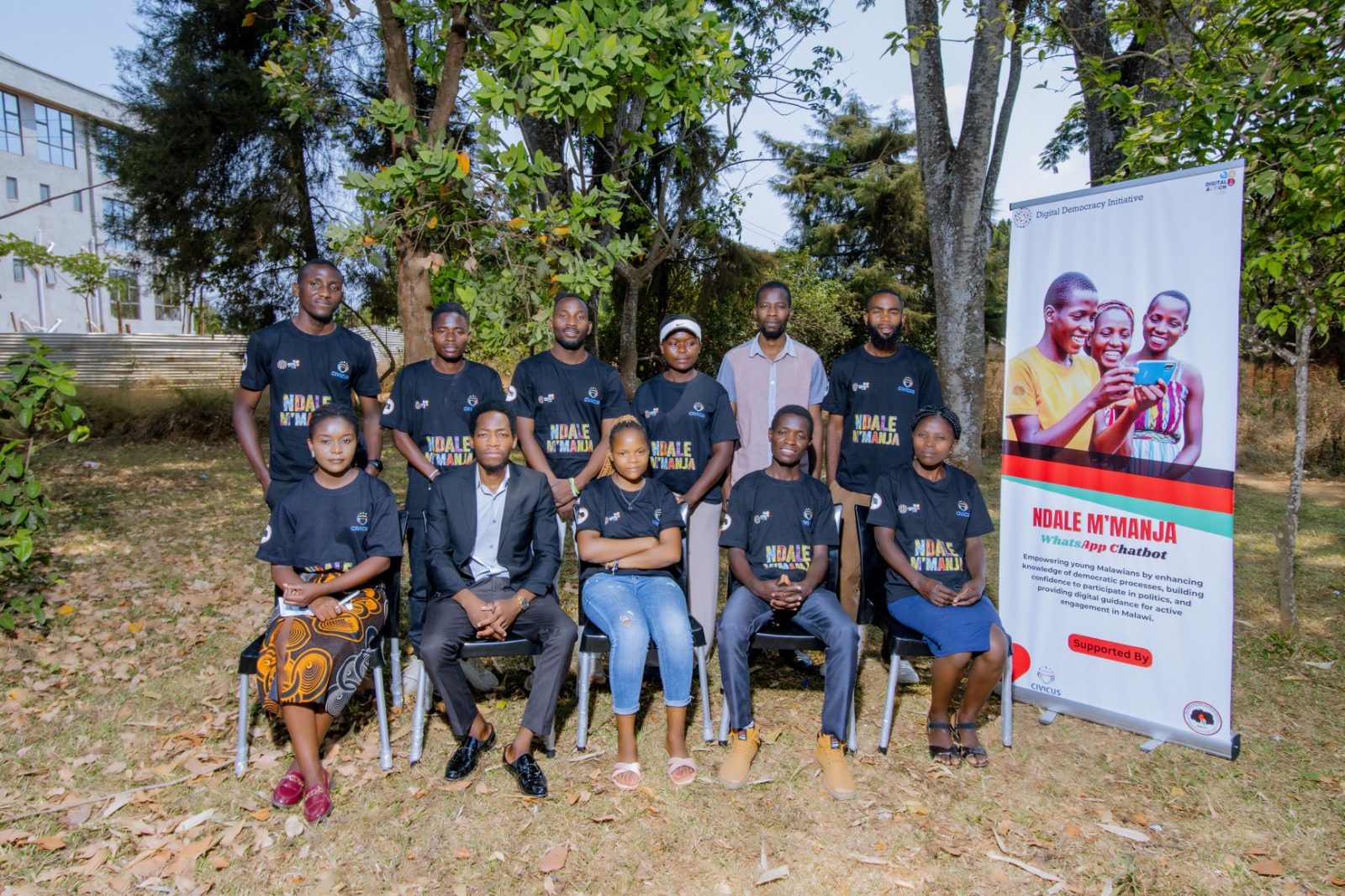
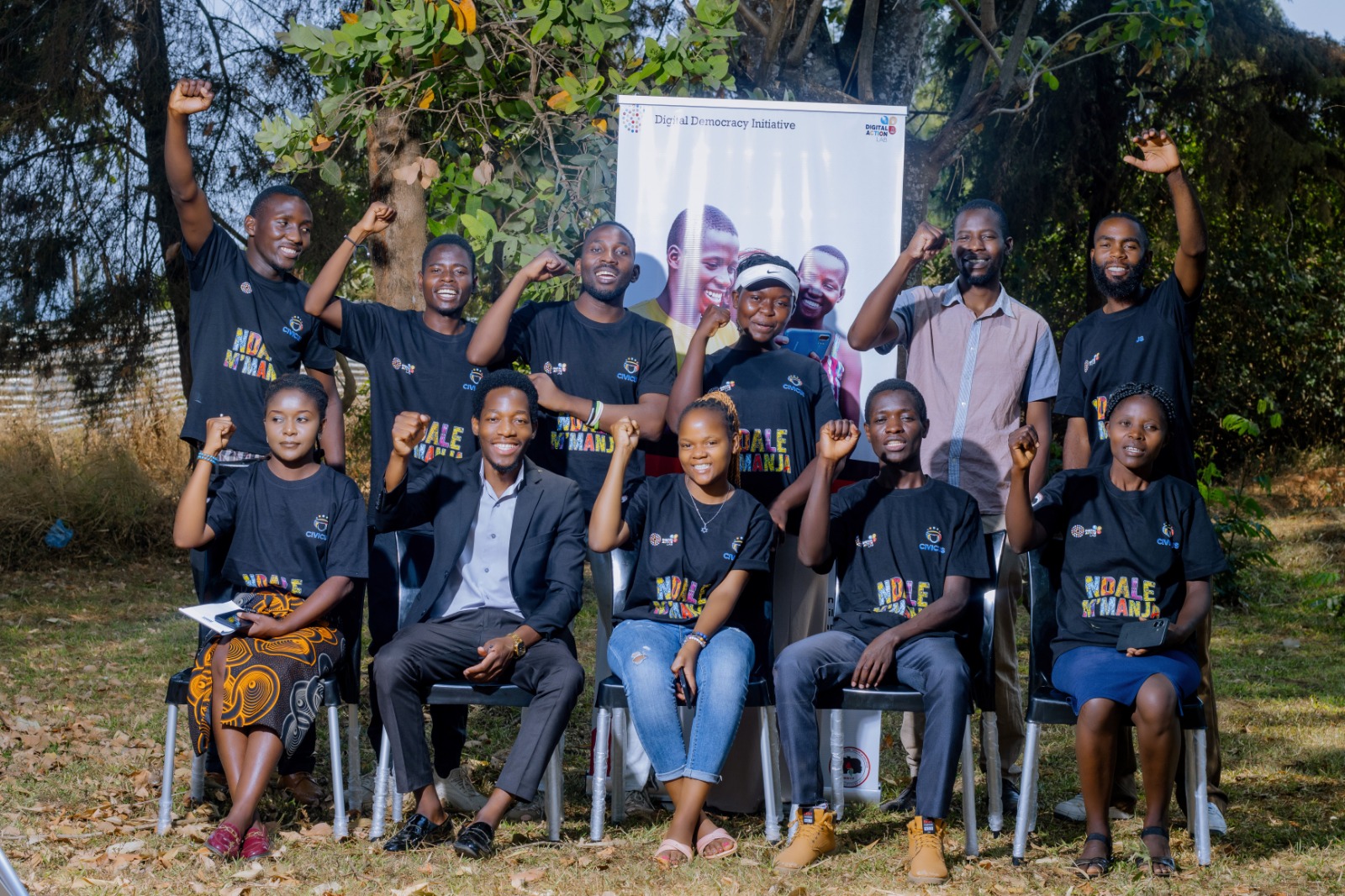
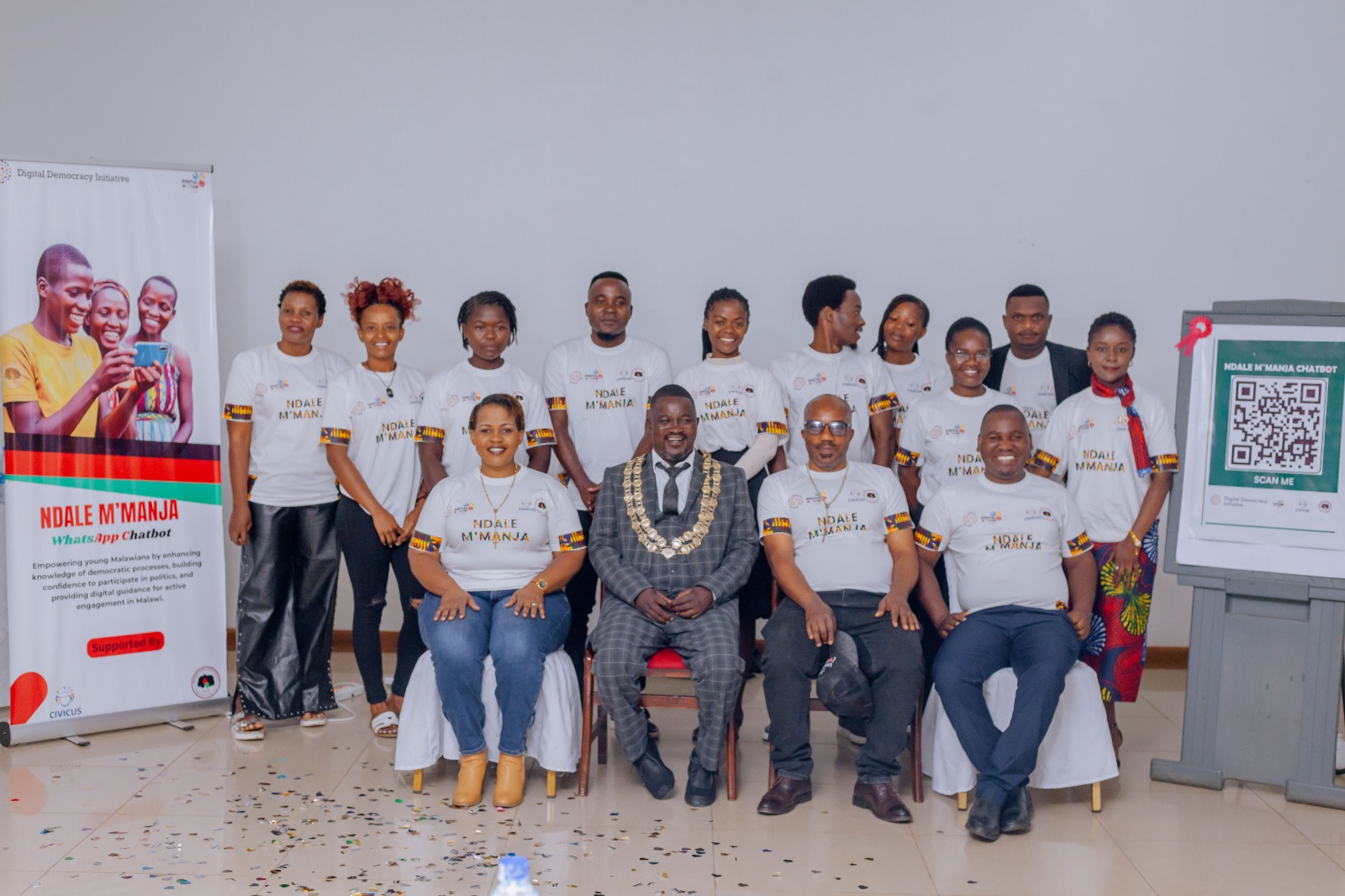
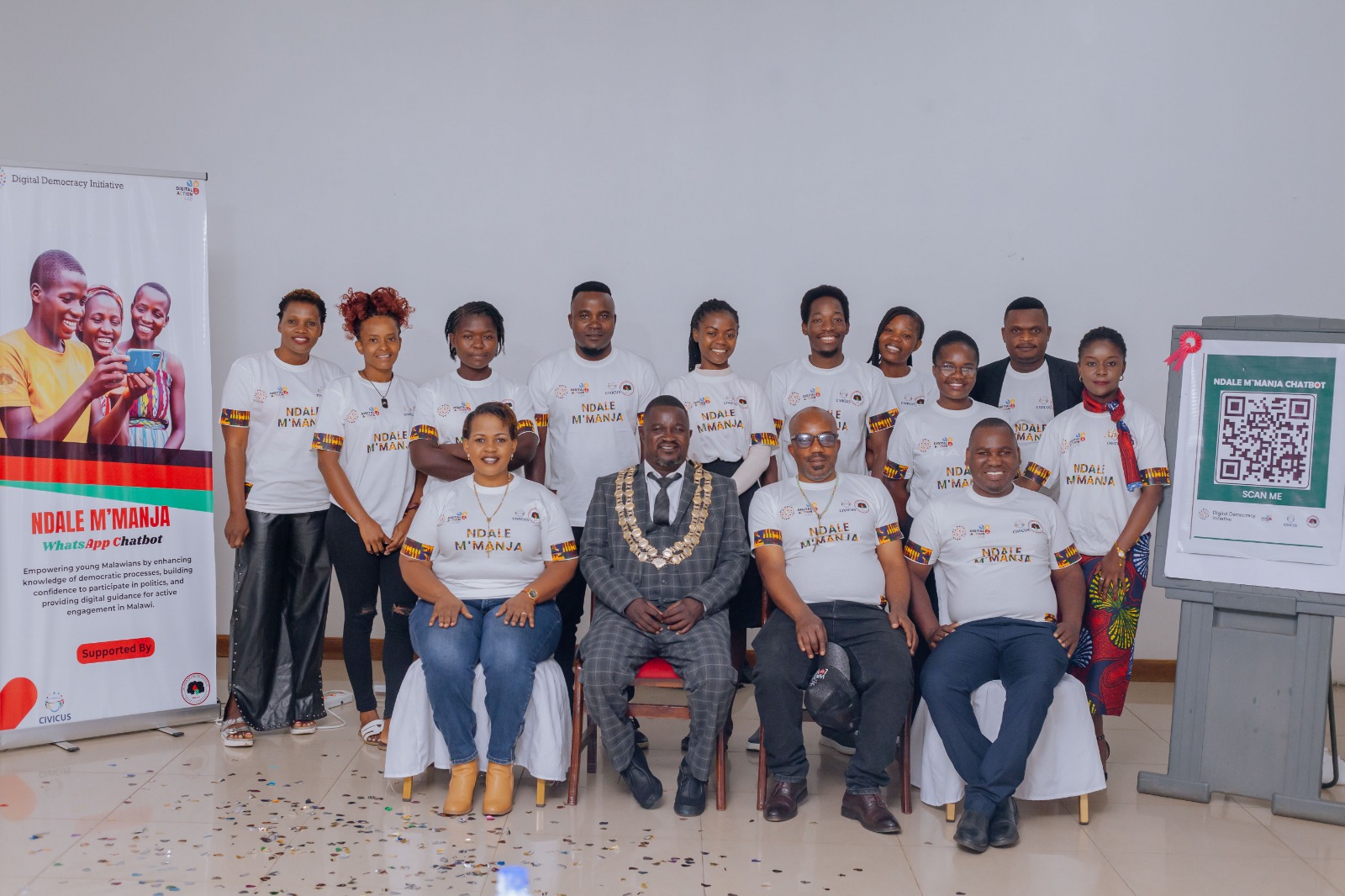
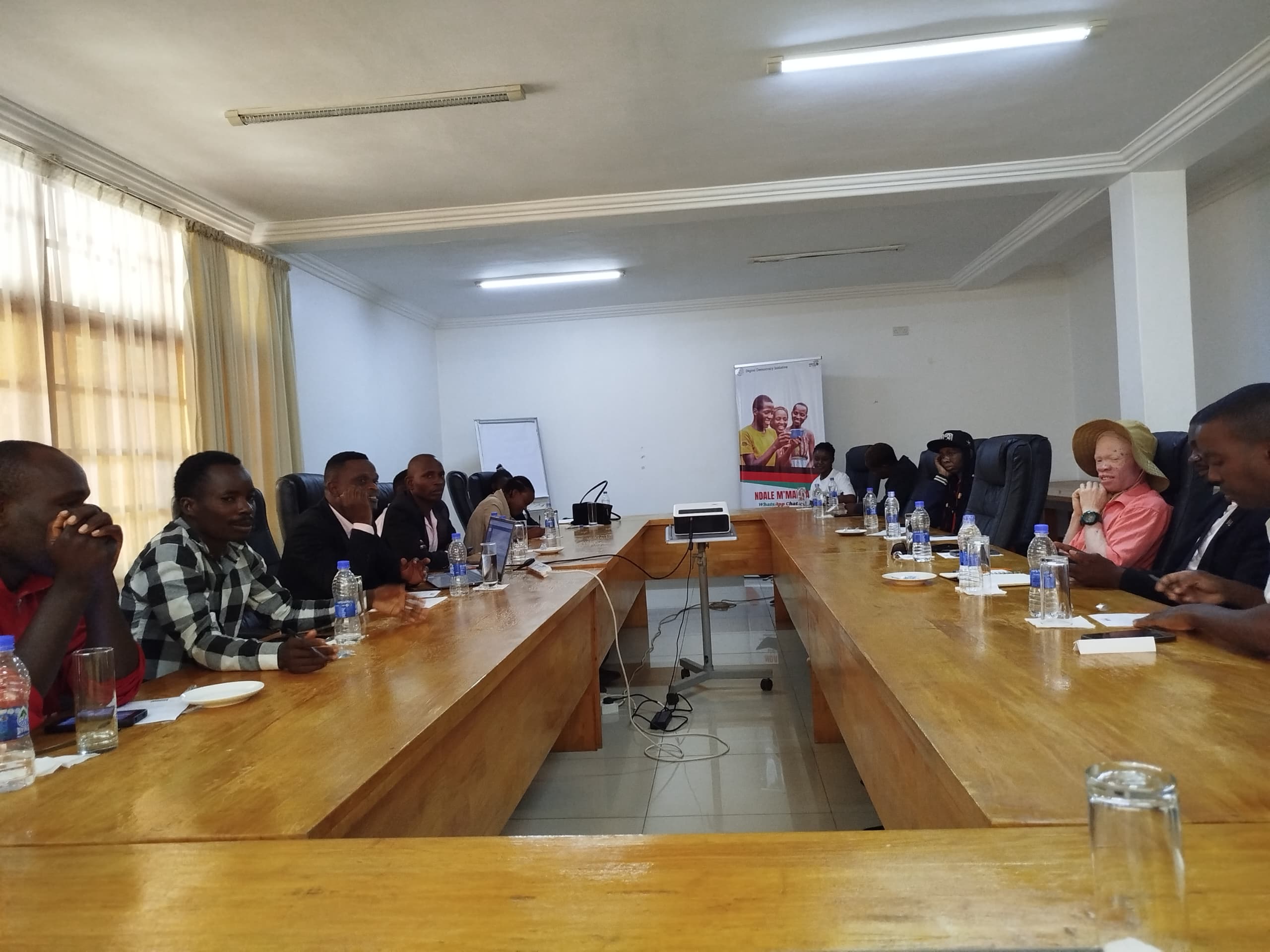
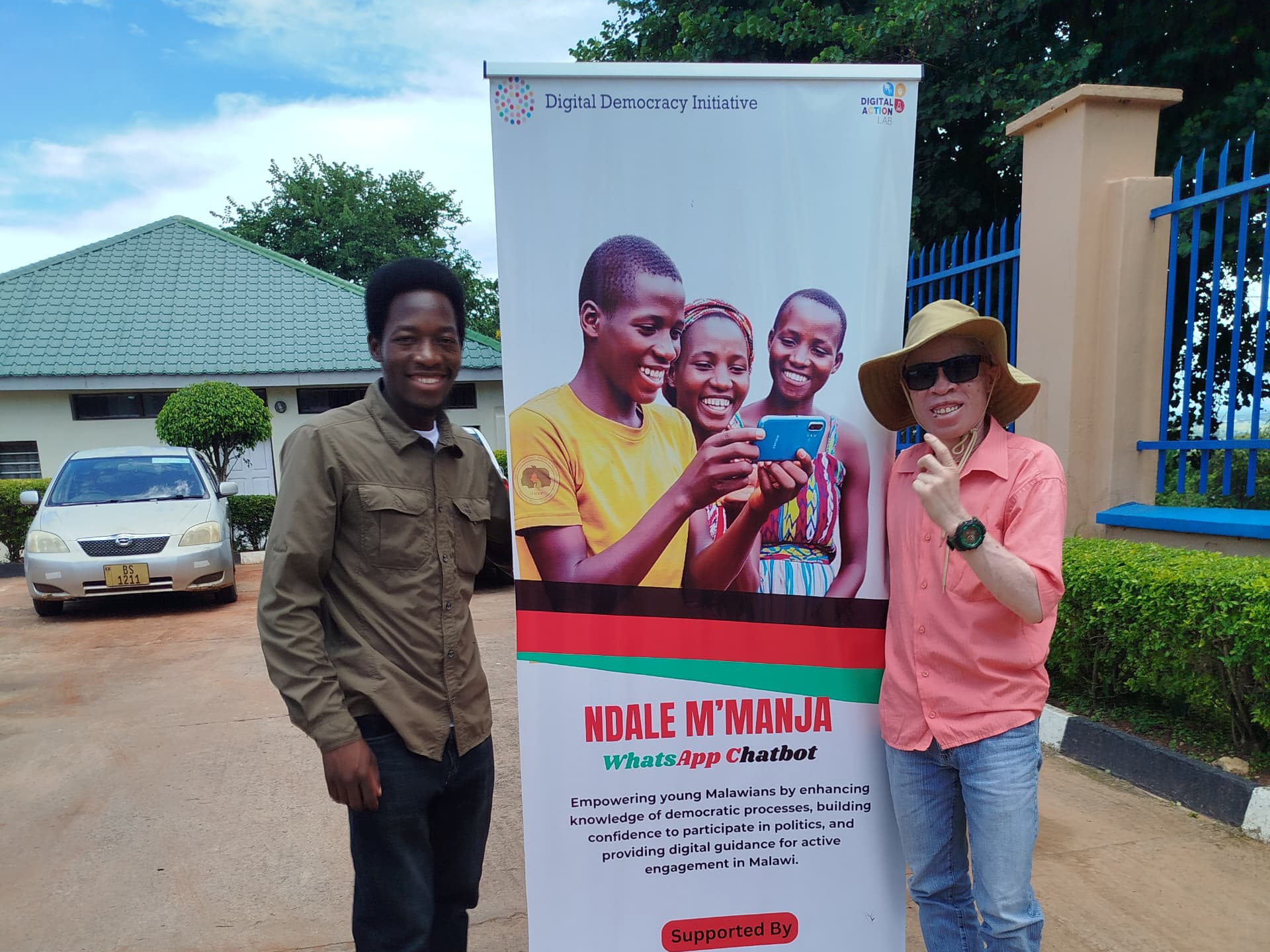
Ndale M'manja WhatsApp Chatbot
Status: Ongoing (August 2024 – Present)
Description:
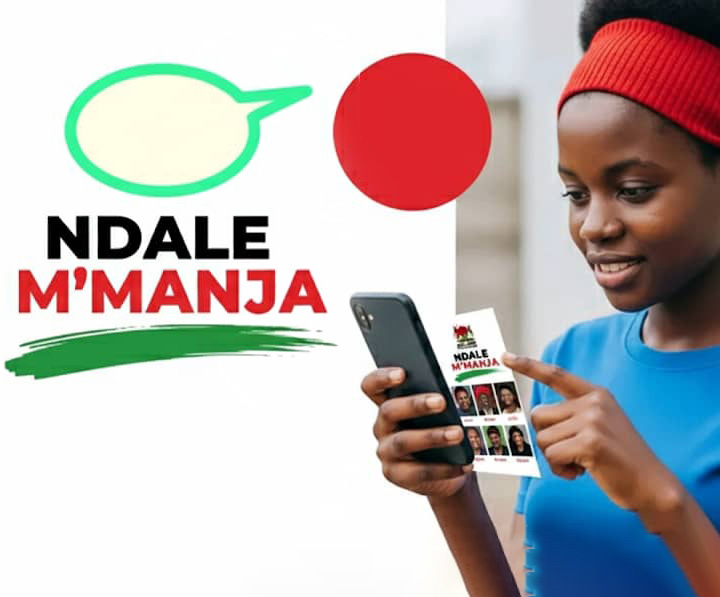
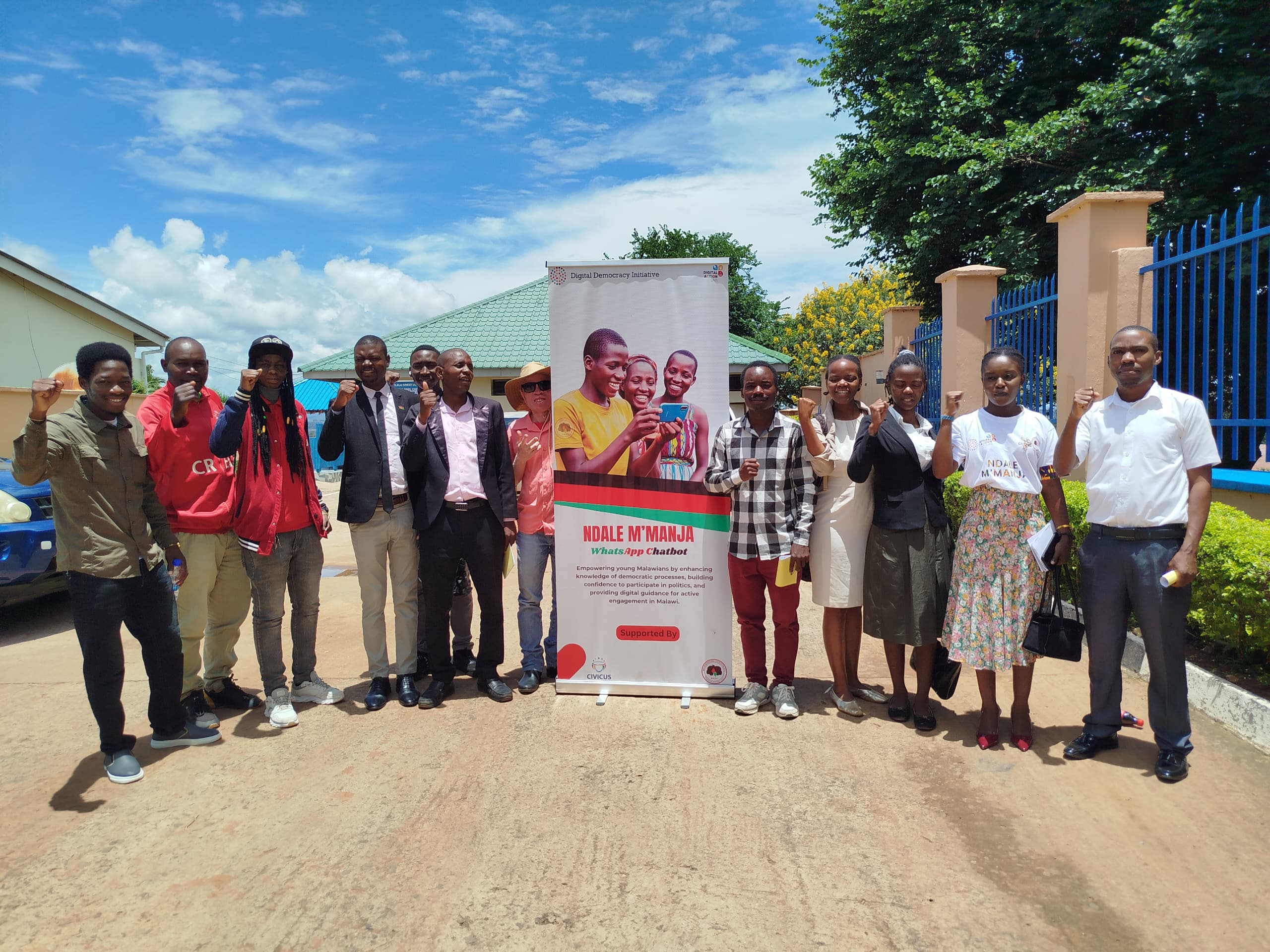
The Ndale M’manja WhatsApp Chatbot is an innovative digital project by the Malawian National Youth in Politics. It is designed to empower young Malawians with practical knowledge on how to enter politics, run effective campaigns, mobilize resources, and engage in democratic leadership. Delivered through Telegram — the most widely used messaging platform in Malawi — the chatbot will provide interactive, youth-friendly education that makes political participation more accessible.
This project responds to the low participation of young people as political candidates. In the 2014 elections, only 2.8% of candidates were under 35, while in 2019 the figure was just 4.2%. Our long-term goal is to increase youth representation to 15% by 2030. By equipping young people with the right tools and knowledge, the chatbot will reduce barriers and open new pathways for youth leadership in Malawi.
This initiative is implemented under the Digital Democracy program of CIVICUS: World Alliance for Citizen Participation, under Digital Action Lab.
- A digital platform providing political education to thousands of young Malawians
- Increased access to campaign strategies, fundraising techniques, and leadership resources
- Contribution toward raising youth participation in elections to 15% by 2030
After Zisankho Conversation Series
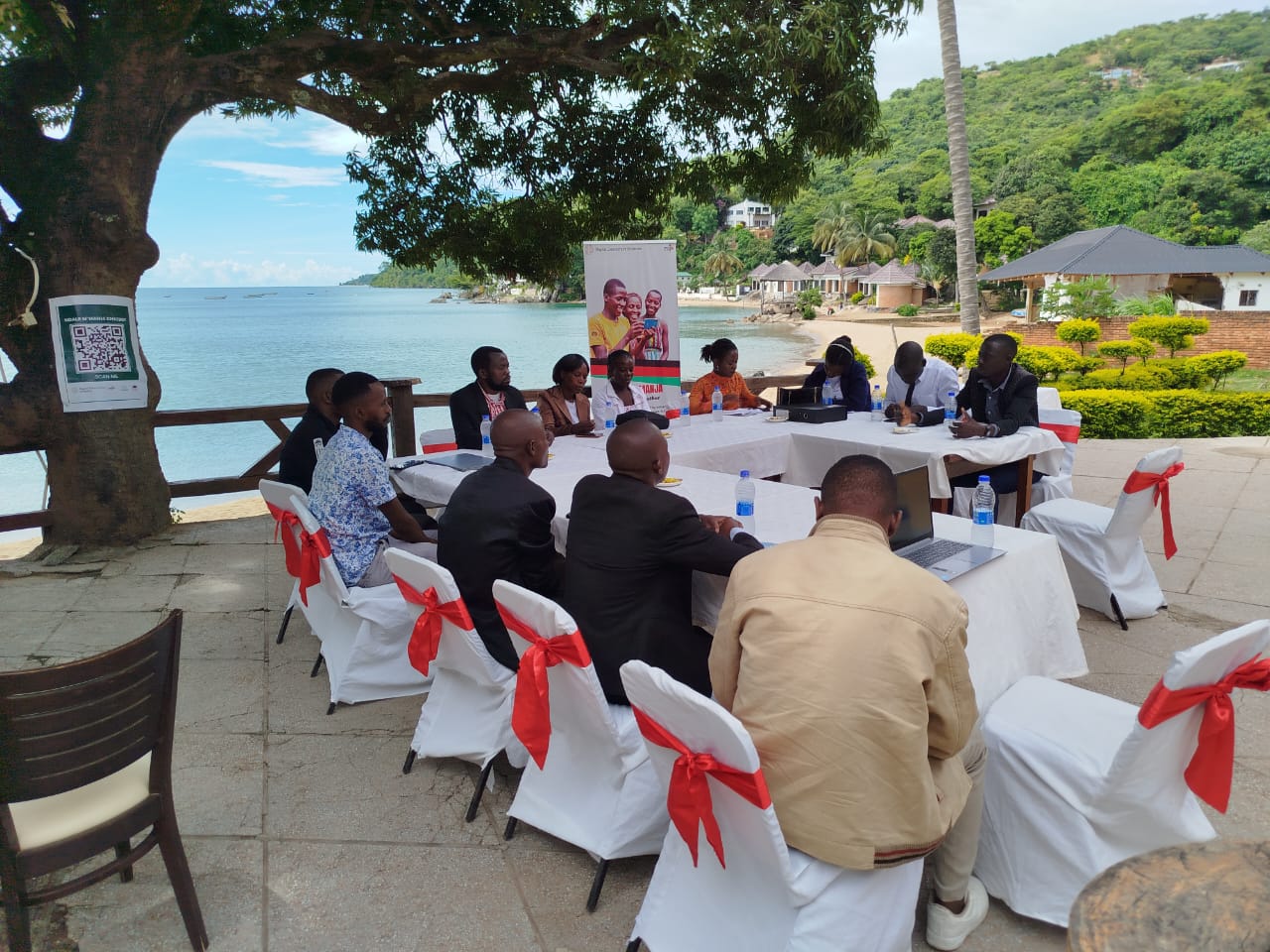
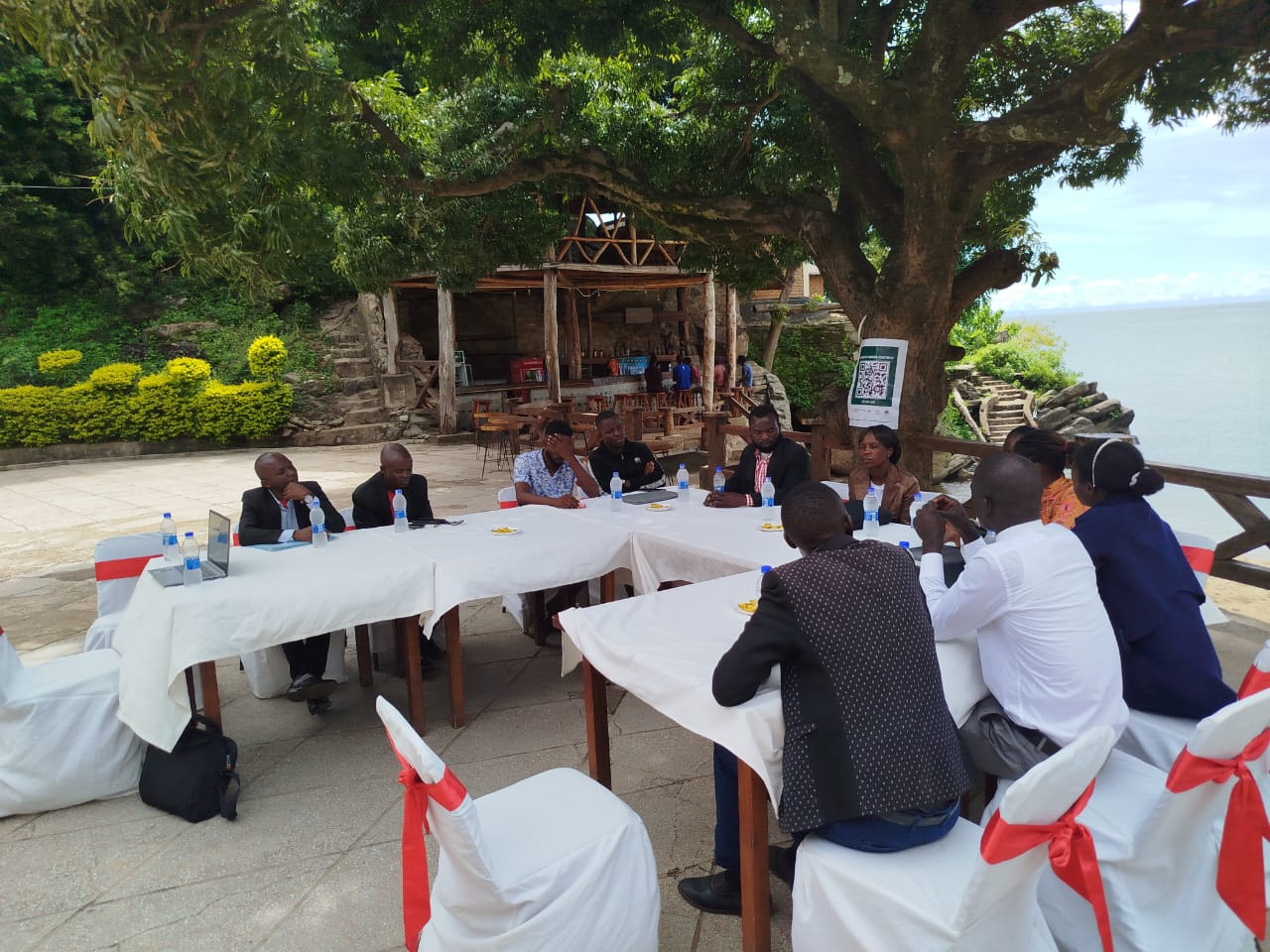
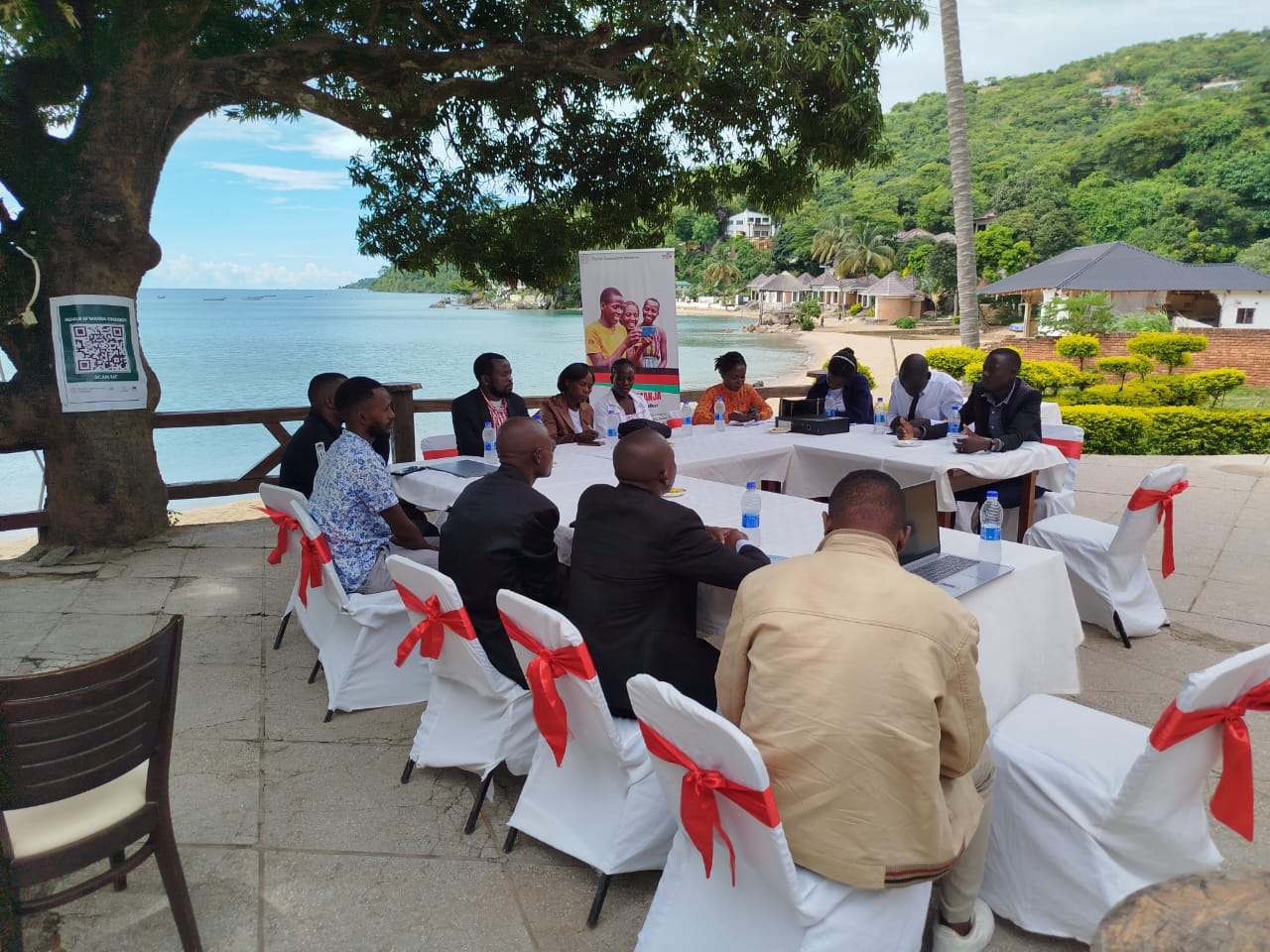
This is a conversation platform where young people share their experiences, challenges, and opportunities during the *2025 General Election*. These are real and raw discussions where young people speak openly about what inspired them to contest, as well as the challenges and opportunities they encountered.
Some of the key challenges raised include limited financial resources, which made it difficult for many young people to compete effectively. As a result, participants have agreed on the importance of starting preparations early and developing sustainable funding mechanisms.
Another concern is that some political parties endorsed preferred candidates instead of conducting transparent primary elections. This practice disadvantaged many young people. In response, participants agreed to organize panel discussions with political parties to present and discuss these concerns.
These conversations are ongoing and, so far, have been hosted in *Mzuzu City, Nkhata Bay, and Rumphi*, with plans to expand to other regions.